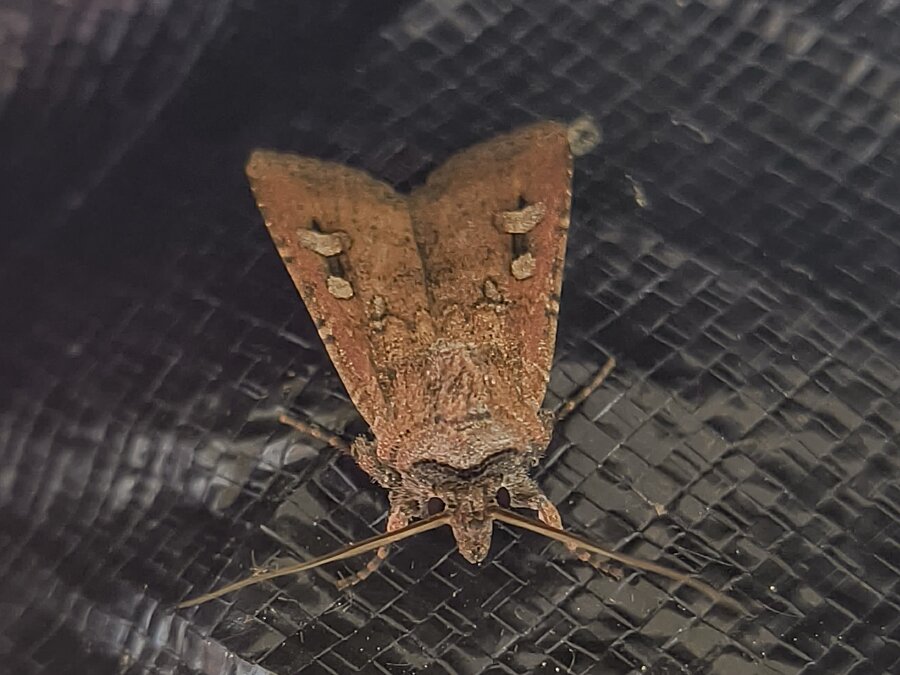
Out of all the moths people photographed, Bogongs stood out most in the Blue Mountains and the Illawarra, with Sydney and the South Coast close behind.
Around Sydney, people have photographed 1,728 Bogongs so far this spring. In previous years, Bogongs made up fewer than 1 in 40 moths photographed there. So why are we seeing so many?
To answer that, let's start with where Bogongs live and how they migrate. They breed over winter on the inland plains. Each spring they fly up to 1,000 km to cool caves in the Snowy Mountains and Victoria's high country, navigating on instinct by the stars and the Earth's magnetic field.
This autumn and winter, rain over the breeding grounds was a third above average. Bogong caterpillars live in the soil there and feed on the plants that come up after rain, so the moths likely had a baby boom of sorts.
So how did they end up in Sydney, when it's not on their flight path? Experts think strong north-westerly winds blew many off course towards the coast, and then city lights drew them down into our homes.